Mission
& Method
Yonder designs place based experiences that help people come back into rhythm with the living world.
overview
We partner with people and organizations shaping places where learning, healing, culture, and regeneration come together. Our work spans a wide range of contexts, from temporary gatherings to permanent places. This includes retreat and wellness centers, learning hubs, regenerative travel destinations, interpretive trails, and landscape art.
Across all of these contexts, we focus on how people encounter place, how stories are carried through experience, and how design choices either align with or disrupt living systems.
At its core, YONDER’s work is about restoring the relationship between human creativity and the living world.
We exist to harmonize human design with living systems.
our purpose
Anthropologist and systems thinker Gregory Bateson observed that many of the world’s greatest challenges arise from a mismatch between how nature works and how people think. YONDER was formed to help bridge that divide. We bring the patterns and principles of living systems into the practice of experience design so that human activity becomes more responsive, relational, and life supporting.
We believe design is not an act of control, but a form of participation. When approached with care and humility, design can help places become more coherent, resilient, and alive over time. Our mission is to create experiences and environments that renew relationships between people and the living systems they are part of, allowing both to thrive together.
our approach
Ecological Experience Design
Ecological experience design is the practice of shaping experiences in relationship with living systems and the places they belong to. It looks beyond individual moments or human needs to consider land, water, climate, culture, and ecology as active participants in the experience itself.
Rather than designing for a place, we design with it. This means listening to natural patterns, honoring the more than human world, and creating experiences that deepen connection, resilience, and aliveness over time.
The result is work that is meaningful for people while also supporting the living systems that make those experiences possible in the first place.
A World Beyond
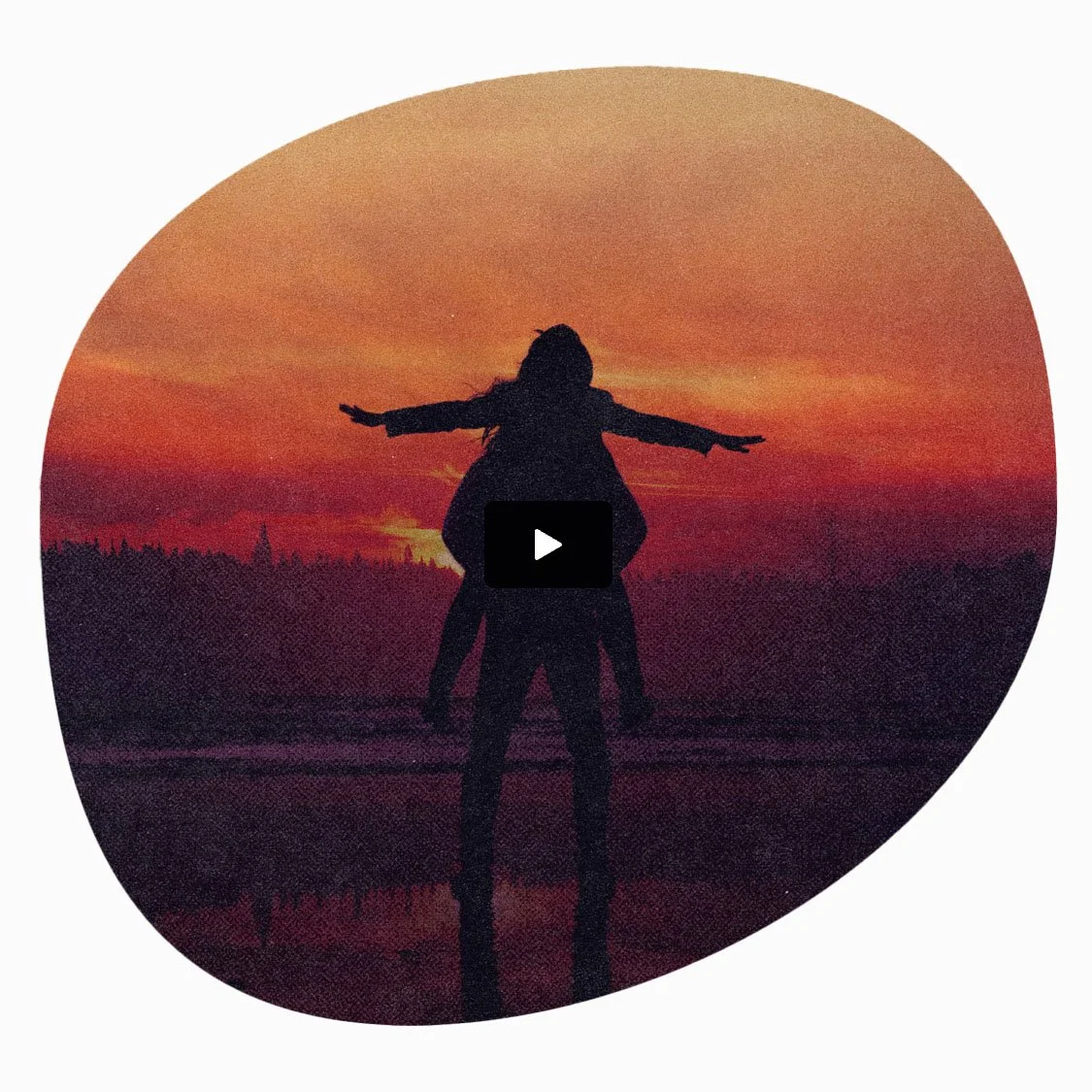
A short film exploring the edge where imagination meets ecology, offering a glimpse into our way of working with place.
The Questions We Ask
Our work is guided by these five questions. We return to them again and again, listening for what a place is asking of us. They shape how we see, how we design, and how we decide what truly matters.
-
Most human development attempts to override nature rather than collaborate with it. When we design in conversation with natural patterns—water, ecology, seasonality—projects become more resilient, more beautiful, and more deeply rooted in place. Nature has already solved many of the problems we face, if we are willing to listen.
-
Every project contains leverage points where small, well-placed shifts can create outsized change. We look beyond surface improvements to identify where transformation is most likely—culturally, experientially, ecologically, or socially. This question keeps the work oriented toward depth rather than decoration.
-
No project exists in isolation. We measure success not only by what is built, but by whether the larger living system—land, community, culture—becomes healthier, more connected, and more vibrant as a result. A truly successful project increases the aliveness of the whole.
-
Human-centered design often overlooks the plants, animals, and ecosystems that make life possible in the first place. By treating the more-than-human world as a stakeholder—rather than a backdrop—we design with greater care, humility, and long-term intelligence. This shift supports life beyond our own immediate needs.
-
We design not as if a project is “finished,” but as if it is alive. By creating feedback loops and capacity for learning, projects can evolve long after construction or launch. Regenerative work sets conditions for self-renewal, allowing impact to deepen and expand over time.
A Process of Relationship
In nature, nothing evolves in isolation. Change happens through ongoing relationship with the surrounding world. Organisms sense their environment, respond through action, and adapt based on what they encounter. Over time, coherence emerges. We work the same way. Rather than imposing fixed solutions, we move through a living, cyclical process of sensing, shaping, and adapting in relationship with place and people.
Sense
We begin by attuning ourselves deeply to place. We immerse ourselves in the landscape, listen closely to its people, and notice patterns over time. We pay attention not only to data and analysis, but also to intuition, emotion, and subtle signals that often reveal what is really at work. Sensing helps us understand the deeper context before anything is designed.
Shape
We move quickly from insight into action. Rather than staying in analysis or abstraction, we bring ideas into the world as early as possible. We learn through experience, allowing the world to push back and shape the work as it takes form. This phase is highly collaborative, bringing stakeholders into the process as active participants.
Adapt
We test what we make in the real world and pay attention to how it behaves within the larger system. We do not expect things to work exactly as imagined. Instead, we observe, adjust, and refine based on what we see and feel. These adaptations are where clarity deepens and coherence emerges. From here, the cycle begins again, informed by what has been learned.
Why it works
This process mirrors how ecosystems evolve. The same cycle repeats at different scales, becoming more refined with each iteration. Healthy systems are responsive, not rigid. By working in cycles rather than straight lines, we allow places and experiences to become more aligned, resilient, and alive.
Frequently asked questions
-
Yonder designs transformative, place based experiences that bring people back into rhythm with the living world. We work in real places, with real landscapes and communities. From temporary gatherings to permanent placemaking, we craft environments where emotion, story, and ecology align. Our projects range from festivals and conferences to immersive brand environments, interpretive trails, nature centers, and retreat and wellness destinations.
-
Yonder partners with people and organizations who are building places aligned with the living world. Our clients include those restoring forests and oceans, developing regenerative agriculture or housing, and creating retreat, learning, and cultural centers rooted in place. Not everyone we work with uses the word regenerative, but they share a desire to work with living systems rather than against them. We are a good fit for those who sense that what they are building needs more than a conventional design or consulting approach.
-
Our work is informed by regenerative practice and living systems thinking. Members of our team are trained through organizations and lineages such as Regenesis, Animas Valley Institute, permaculture, and biomimicry. This training shapes how we see places, organizations, and challenges as interconnected systems rather than isolated problems. Our goal is not short-term optimization, but long-term vitality for the places and communities involved. We measure success by whether a place becomes healthier and more coherent over time, and continues to be so long after the project is complete.
-
Our work often includes vision and concept development, experience master planning, visitor journey design, field workshops, and experience prototyping, design, and production. These engagements support projects at different moments, from clarifying an early idea to testing and refining experiences in the real world. We work across a range of contexts including retreat centers, regenerative developments, and nature based learning environments. The common thread is a focus on place as a living system rather than a backdrop.
-
Engagements begin with conversation. We start by getting to know each other and exploring whether there is genuine alignment and readiness to work together. If there is, we prioritize time on site, immersing ourselves in the land, the people, and the broader context before defining scope. Many engagements begin with a Field Workshop, a facilitated on-site experience that brings stakeholders together to observe, listen, map patterns, and surface shared insight. From there, we determine together what the next phase of collaboration should be.
-
We work with both early-stage visions and established projects. Early ideas benefit from clarity, shared language, and alignment before moving into design or development. More established projects often come to us when something feels fragmented, stalled, or out of sync with the original intent. In all cases, we look for committed partners who are ready to invest time, presence, and resources, and who have the ability to move from vision into action.
Begin the Conversation
If you’re stewarding a place and sensing that something more is possible, we’d love to listen. Our work begins with conversation—understanding the land, the people, and what wants to emerge. Reach out to explore whether YONDER might be a good fit.